How to Choose the Right Buttons for Every Sewing Project
A practical guide to selecting the perfect buttons for clothing, crafts, and creative projects.
Every sewing project is built on small decisions that make a big difference. While fabric often receives most of the attention, buttons play an equally important role in both function and design. The right button can complement a garment, enhance durability, and add a professional finishing touch. Whether you are sewing clothing, repairing a favorite jacket, or creating handmade accessories, understanding how to choose the right buttons will help you achieve better results.
Different Types of Buttons
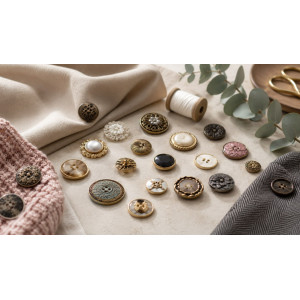
Buttons come in many shapes, materials, and fastening styles. Each type is designed for specific applications and can influence both the appearance and functionality of a finished product.
Flat buttons are the most common choice for shirts, dresses, children's clothing, and lightweight garments. Their simple construction makes them versatile and easy to sew.
Shank buttons feature a small loop on the back instead of visible holes. This design creates a small gap between the button and the fabric, making them ideal for thicker materials such as coats, jackets, and knitwear.
Snap buttons provide a clean appearance because they remain hidden when fastened. They are widely used in sportswear, baby clothing, bags, and accessories where convenience is important.
Decorative buttons focus on style as much as function. Available in unique shapes, finishes, and colors, they can become an attractive design element rather than simply a fastening solution.
Choosing the Right Material
Button material affects durability, weight, and overall appearance.
Popular options include:
Plastic buttons for everyday garments and affordable projects.
Metal buttons for denim, jackets, uniforms, and modern fashion.
Wooden buttons for natural, handmade, and rustic designs.
Resin buttons for premium finishes and a wide variety of colors.
Pearl and shell buttons for elegant shirts, blouses, and formal clothing.
Each material offers different advantages depending on the intended use of the garment and the desired visual effect.
Matching Buttons to Your Fabric
Successful sewing depends on harmony between fabric and accessories.
Consider these factors when selecting buttons:
Fabric thickness.
Garment purpose.
Color coordination.
Button size.
Weight of the fabric.
Frequency of use and washing.
Large buttons may overwhelm lightweight fabrics, while very small buttons can disappear visually on heavy coats or knitted garments. Finding the right balance creates a polished, professional appearance.
Size Matters More Than You Think
Button size is usually measured in millimeters or lignes, an industry standard still used by many manufacturers.
Small buttons work well on shirts, blouses, and cuffs. Medium-sized buttons are suitable for dresses, cardigans, and casual wear. Larger buttons are commonly used on coats, outerwear, bags, and decorative sewing projects.
Choosing the correct size improves comfort, ensures reliable fastening, and creates balanced proportions across the entire garment.
Finishing Every Project with Confidence
Experienced designers know that details define quality. A carefully selected button not only secures fabric but also contributes to the overall personality of a garment. The right combination of material, color, size, and style transforms a simple sewing project into a refined finished piece.
Whether you create clothing professionally or enjoy sewing as a hobby, investing time in selecting high-quality buttons is always worthwhile. Thoughtful choices improve durability, enhance aesthetics, and help every handmade creation look polished and complete.